One of the most humbling experiences I had as a teacher came years ago, when I realized something that seems obvious—but rarely lands until it’s felt:
What seems clear to you is not necessarily what someone else is seeing.
Sometimes it is. But far more often than we think, it isn’t.
I learned this directly from my students. I’d be explaining a concept that felt crystal clear to me—simple, obvious, almost self-evident—and I’d watch blank stares come back at me. No resistance. No lack of intelligence. Just… no connection. That’s when it hit me: they weren’t seeing what I was seeing.
At the core of this is perception.
And perception is not neutral.
Most people assume they are seeing “reality” directly. But what they are actually experiencing is a version of reality that has already been filtered, organized, and interpreted by the mind. That is true in relationships. It is true in conflict. It is true in self-image. It is true in opportunity. And it is true in almost every important decision a person makes.
This is one reason two people can walk through the same moment and come away with completely different conclusions. It also helps explain why awareness alone does not always create change. There is often more happening beneath the surface than people realize.
Why perception matters more than most people think
Let’s start with something simple.
Think about a computer screen. A modern monitor can contain millions of pixels. Out of all those pixels, what’s the likelihood that you and I are truly seeing the exact same thing?
Statistically, it’s almost zero.
What actually happens is that your brain takes this overwhelming amount of raw data and organizes it into something that makes sense to you, based on your past experiences. It can’t possibly show you “the thing as it is.” So it deletes what it deems unimportant, distorts what doesn’t fit, and generalizes the rest into a usable image.
And somehow—miraculously—we still manage to communicate. Most of the time, it’s close enough.
But “close enough” and “the same” are not the same thing.
That matters, because once you begin to understand this, many things that once looked confusing start to make sense. You begin to understand why people repeat patterns. Why misunderstandings happen so easily. Why someone can be absolutely convinced they are right while missing half of what is actually going on. You begin to see that much of life is shaped not only by what is happening, but by how it is being interpreted.
Why people can be standing in the same place and still see different worlds
Take this outside the controlled world of screens and classrooms, and things get much more interesting.
I love to go fishing in the jungle in Costa Rica with my friend Filemon. I would never—ever—go into that jungle alone. But with him, it’s safe enough.
Why?
Because Filemon can literally see things I cannot see.
When you go fishing with him, you don’t bring much—just some fishing line and a bit of wire. The rest, you gather along the way. As we hike toward the river, Filemon casually reaches into the grass and pulls out grasshoppers, one after another, dropping them into a bag.
I’m standing right there. I can’t see a single one of them.
Later, he’ll take a machete, find some bamboo, and make fishing poles on the spot. He’ll fashion hooks from wire. Along the way, he points out plants and animals—many times indicating something that is right in front of me that I simply cannot see.
This is exactly why I wouldn’t dare go alone. In that jungle, you could have a leopard nearby. Or worse, a terciopelo—one of the most dangerous venomous snakes in the world—lying almost invisibly close.
Filemon sees it all. It’s his domain.
In the outside world, there are tens—if not hundreds—of millions of bits of information available at any moment. Filemon doesn’t see everything. He sees what he needs to see to stay safe… and maybe come home with some fish.
That’s true for all of us.
At a deeper level, what you’re seeing is often shaped by patterns most people never recognize. The mind is always selecting. Always organizing. Always deciding what matters, what doesn’t, and what something means.
The hidden filters shaping what you notice
Most people do not realize how much of their experience is being shaped automatically.
Your mind is constantly filtering reality through past experience, emotional association, expectation, and learned meaning. It does this quickly, efficiently, and mostly outside of conscious awareness.
That means the same event can feel completely different depending on what someone has already lived, what they have come to believe, and what their mind has learned to prioritize.
Some people notice danger first.
Some notice rejection.
Some notice possibility.
Some notice proof that life is working against them.
Others notice openings that most people miss.
And because these filters operate so quickly, many people assume they are simply “being realistic,” when in fact they are looking through a lens they did not consciously choose.
This is one reason a person can keep finding themselves in the same kinds of situations over and over again. It is also one reason they may continue to see the world in the same way long after that way of seeing has stopped serving them.
If you’ve ever wondered why your mind keeps returning to the same conclusions, that is a big part of the answer.
Related: Why You Keep Seeing the Same Situation the Same Way
Why this affects relationships, decisions, and personal change
Once you really understand perception, you begin to see why so many struggles in life are not just “out there.” They are being shaped from within.
Two people can have the same conversation and walk away with two entirely different stories about what happened.
A person can stay too long in a situation that no longer fits because their mind keeps organizing reality around what is familiar.
Someone can miss an opportunity—not because there was no opportunity there—but because their internal filter never marked it as real, safe, or possible.
This is also why change can feel so difficult at times. It is not always that a person does not want change. Sometimes they simply cannot yet see what they have not been conditioned to see.
Related: Why Two People Experience the Same Event Completely Differently
Related: The Hidden Filter Behind Every Decision You Make
The role of focus in what becomes visible
And here’s where it gets even more fascinating.
You are walking around with one of the most sophisticated structures in nature: your nervous system. Inside it are roughly 86 billion neurons, each forming thousands of connections. The total number of synaptic connections is so vast that, for all practical purposes, it might as well feel infinite.
This incredible device produces behavior based on one thing: focus.
So the real question becomes:
What are you focusing on?
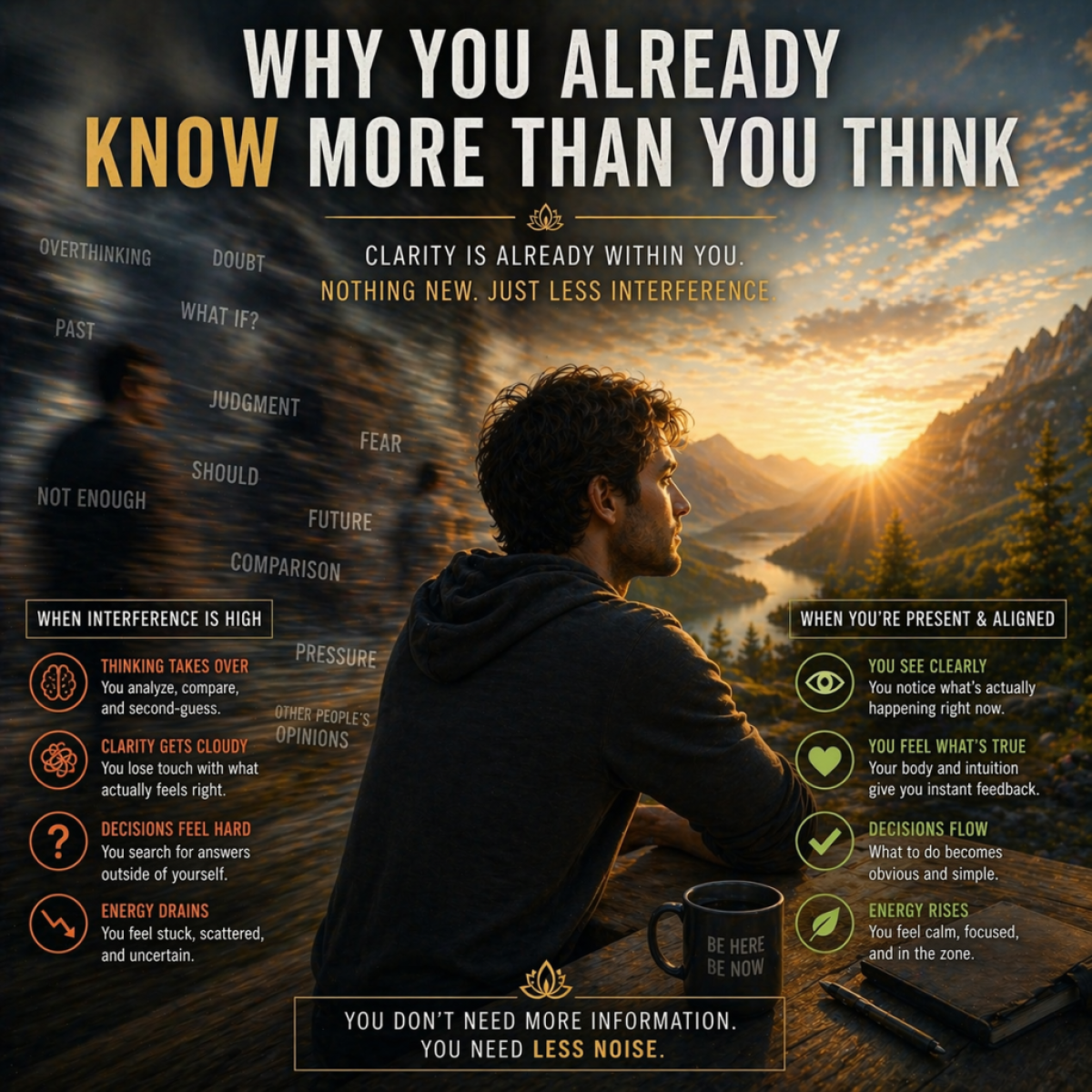
Most people think they’re focused on what they want. They have a positive thought here and there. But the average person’s mind is incredibly active all day long, and much of that activity happens unconsciously—on autopilot.
Ask someone what they were thinking about five minutes ago, precisely. Most people have no idea. And that’s normal.
But normal does not mean powerless.
Awareness changes everything.
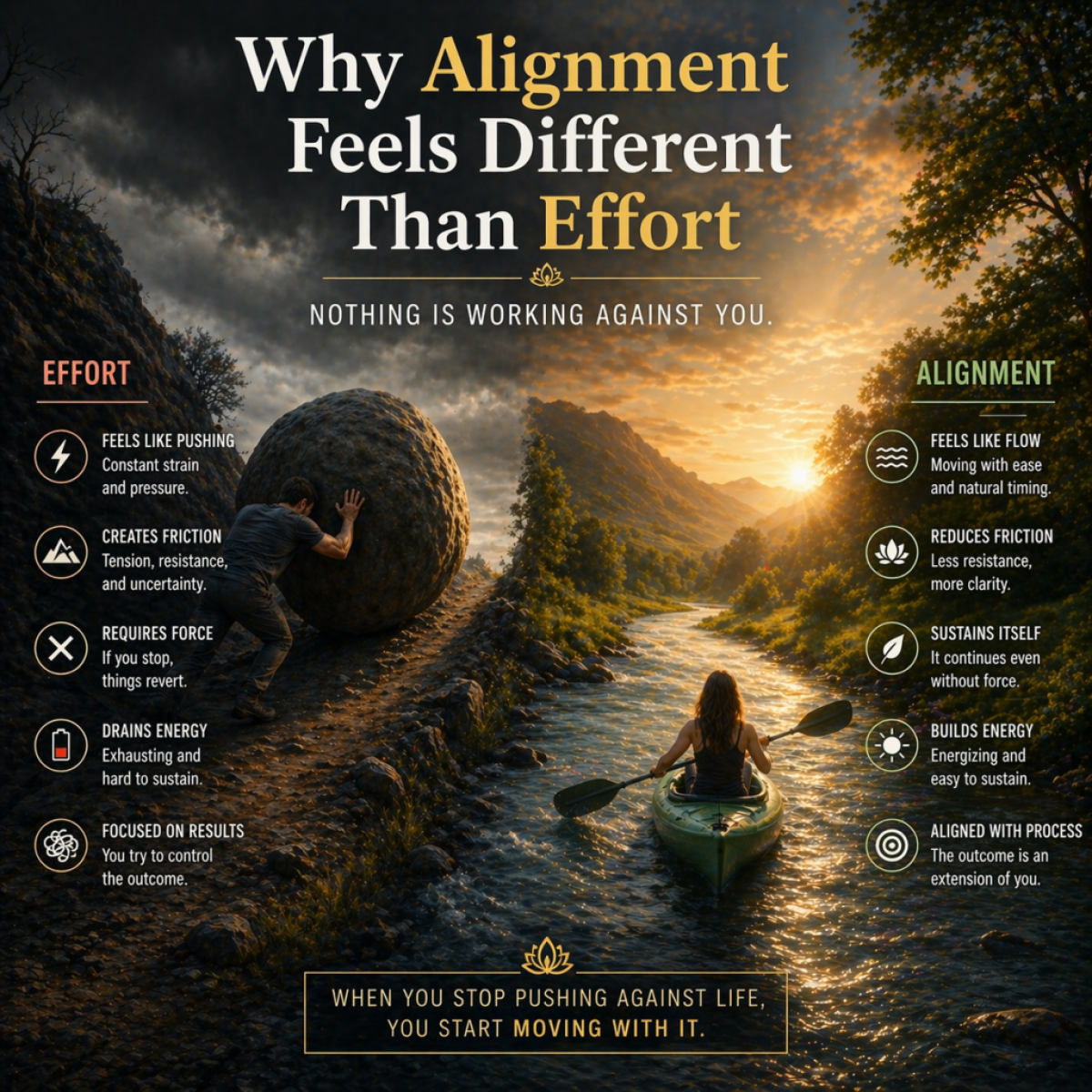
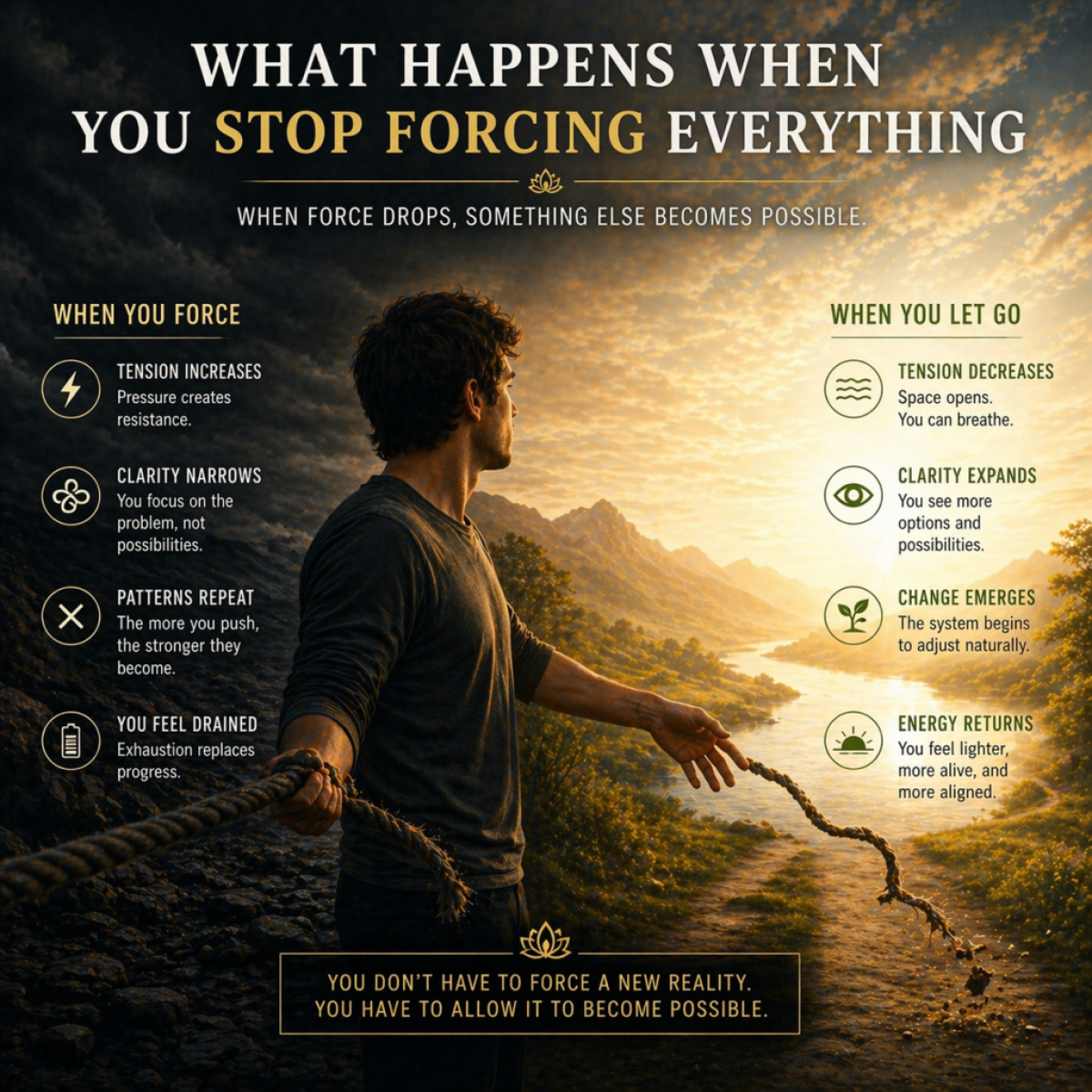
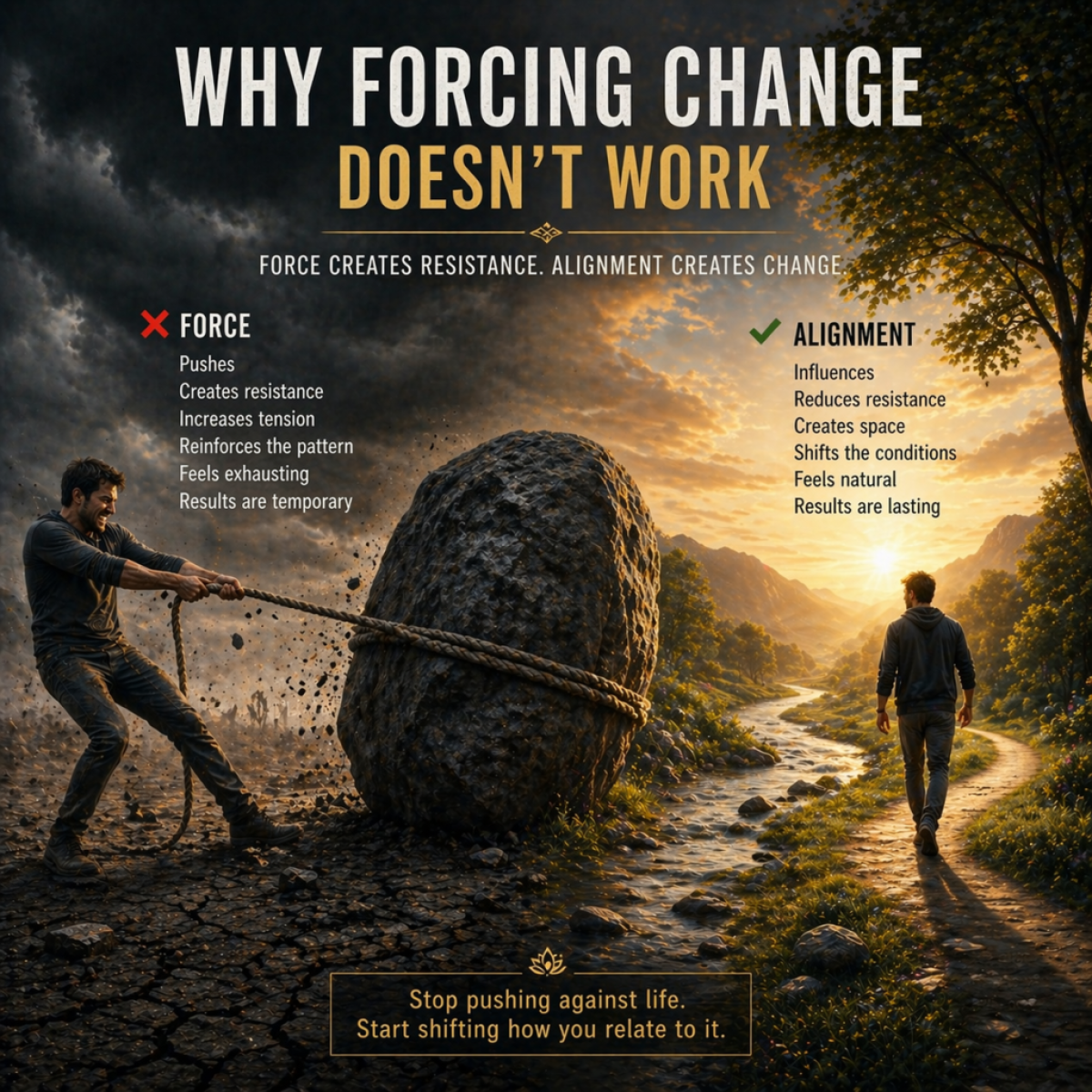
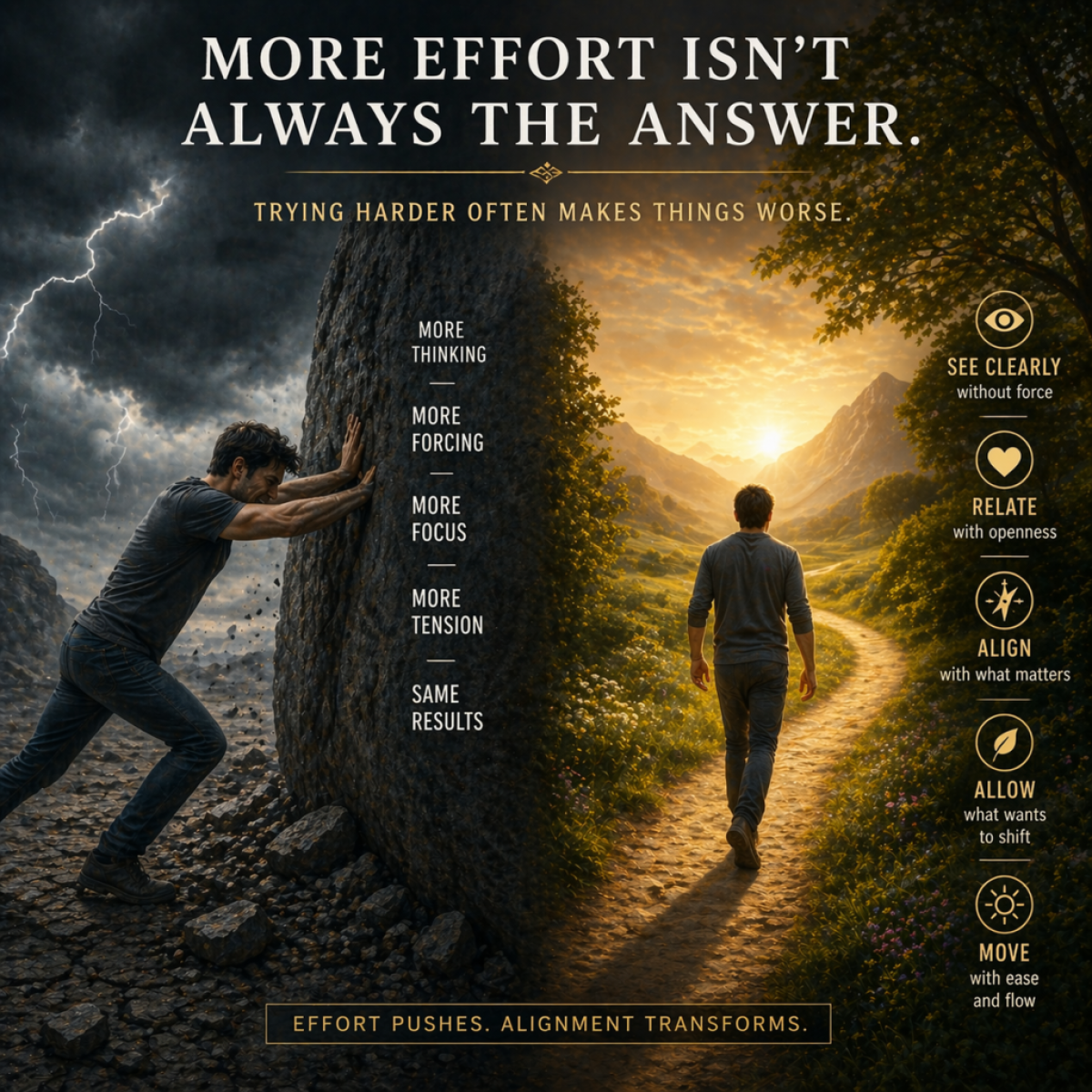
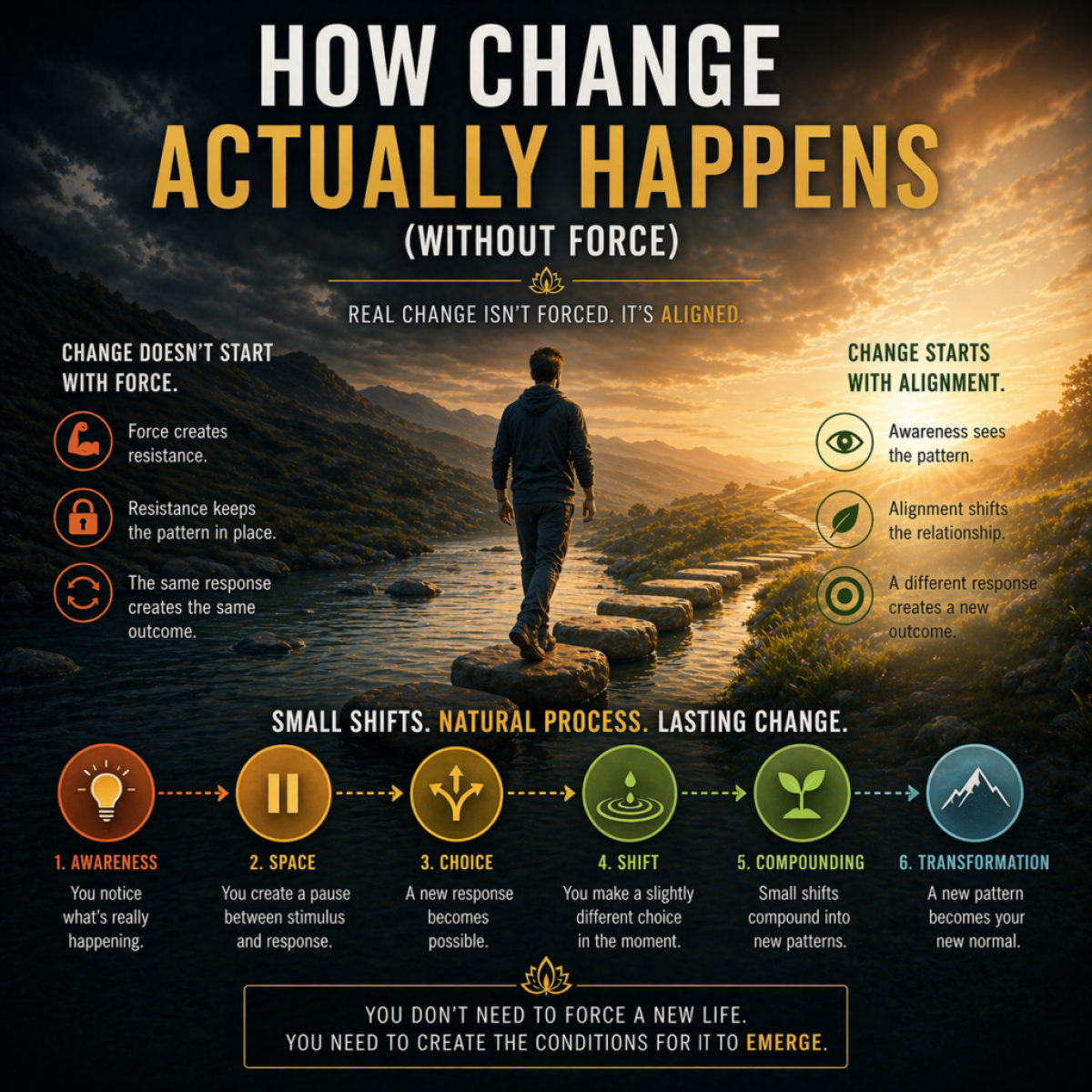
Not by force. Not by struggle. Simply by paying attention.
What’s going on in your internal dialogue?
What pictures are you making in your mind?
What emotions are attached to them?
Is there laughter inside your head… or frustration… or worry?
This isn’t about judging it. It’s about noticing it.
When you begin to gently focus on what you actually want—and allow your unconscious mind to reorganize around that—the changes happen in ways that feel natural, often surprisingly easy.
Why this sits at the heart of freedom
The takeaway is simple, but profound:
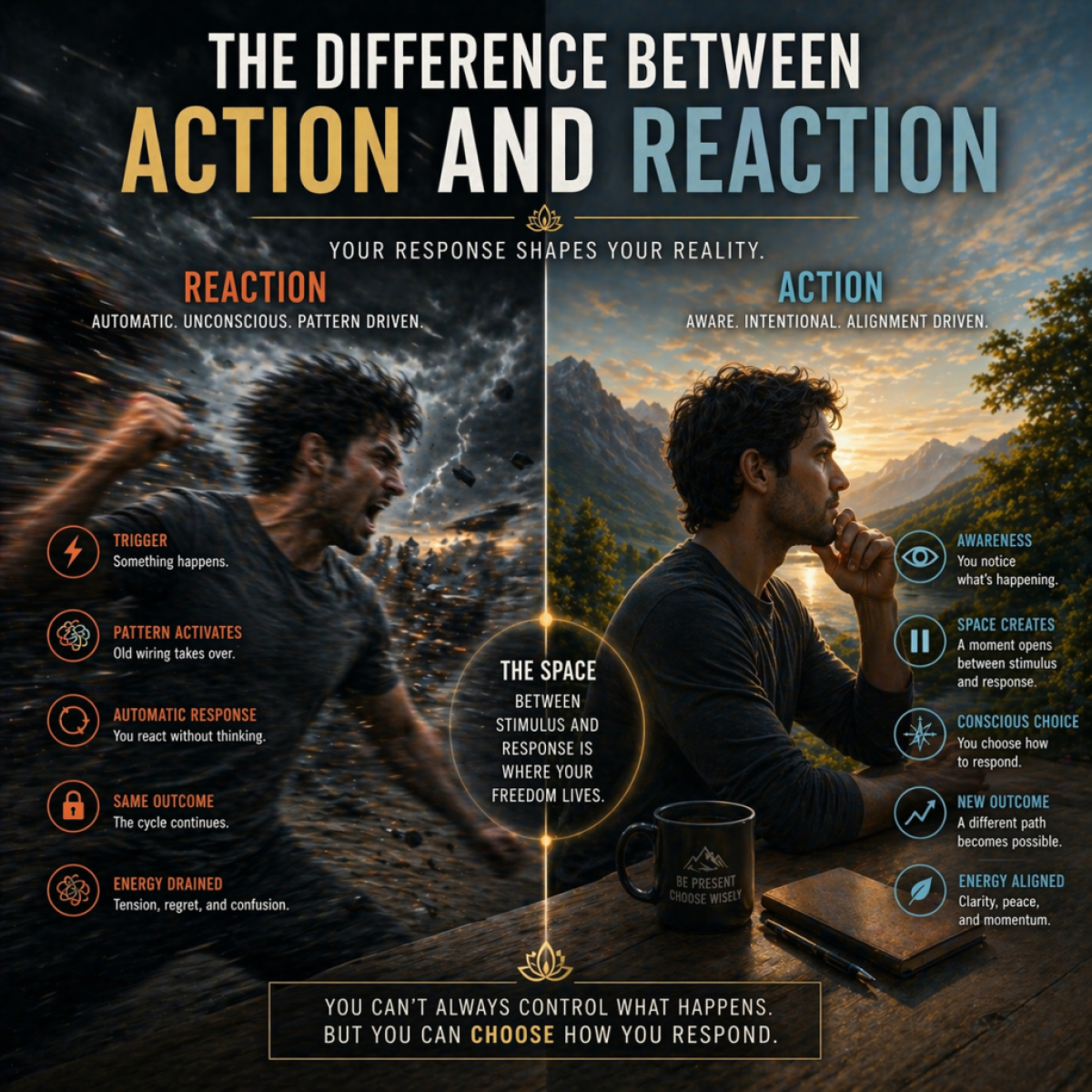
The world can look vastly different to the people around you. Further still, your mind handles all this for you automatically. Even further still, you may not even have choice about how it handles it for you—at least not at first.
Understanding this sits at the heart of the work I do.
I don’t presume to know what someone else sees, believes, or experiences beyond a few basic human considerations. Instead, I accept their beliefs, values, and emotional world exactly as they are.
It’s only when those inner patterns no longer serve the individual that I can be of real service.
That’s where purpose comes in—what I call your divinely inspired purpose. It’s the thing that genuinely energizes you. The thing you’re naturally drawn toward. The thing that feels meaningful, not forced. The thing you value most in a given context.
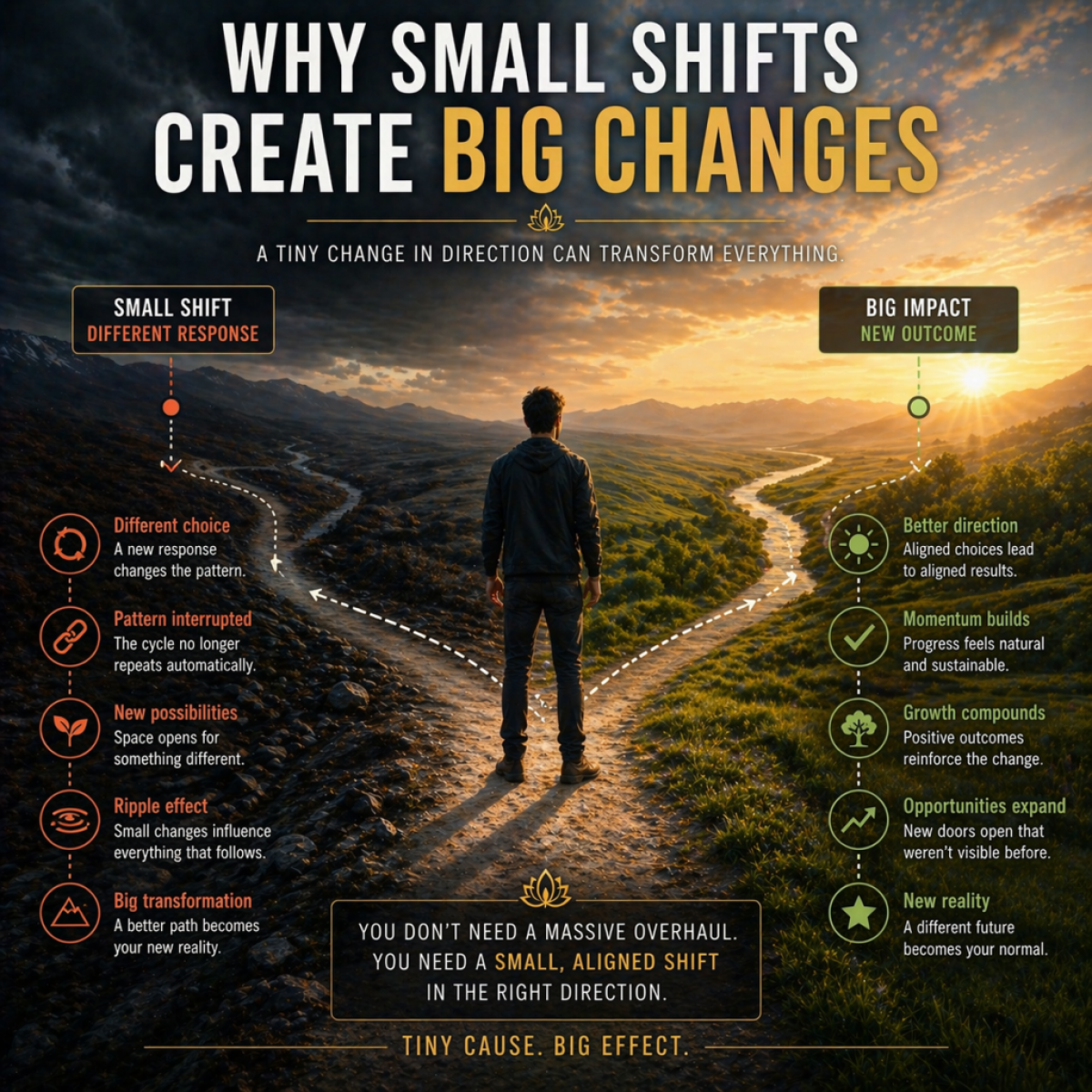
And this is also why personal freedom begins from the inside out. The more clearly you see the filters shaping your experience, the less controlled you are by them. The less controlled you are by them, the more choice becomes available.
Related: The Real Reason You Feel Stuck
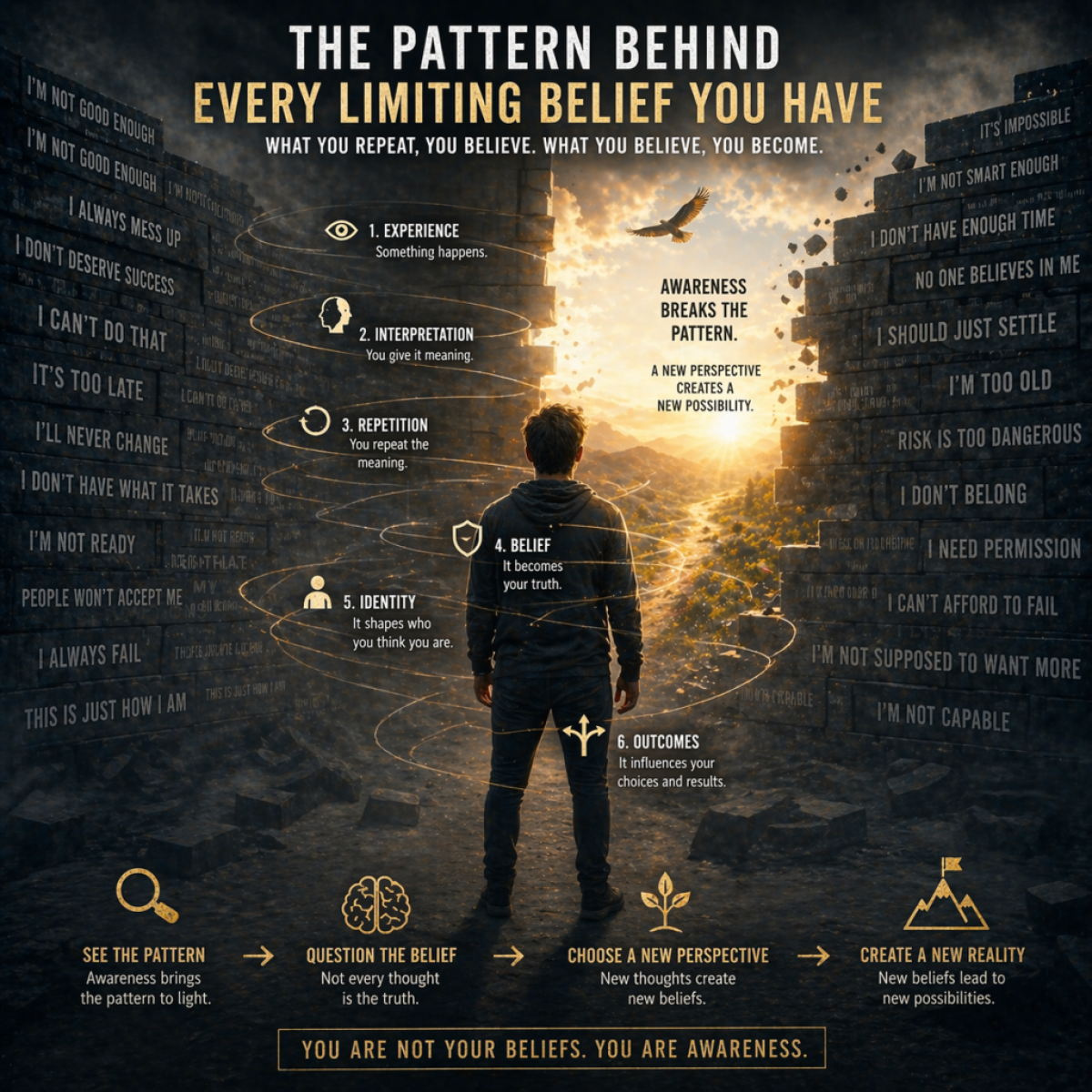
Related: The Pattern Behind Every Limiting Belief You Have
Just like Filemon in the jungle, you begin to see what you couldn’t see before.
And once you see it, the world doesn’t look the same again.
This is the threshold of freedom, and it’s what I help people to have.